Know-how

Know-how on buying a business.

Guides and articles on acquisition, succession, valuation and financing of Swiss SMEs, drawn from our practice and explained in plain words.

Latest articles.

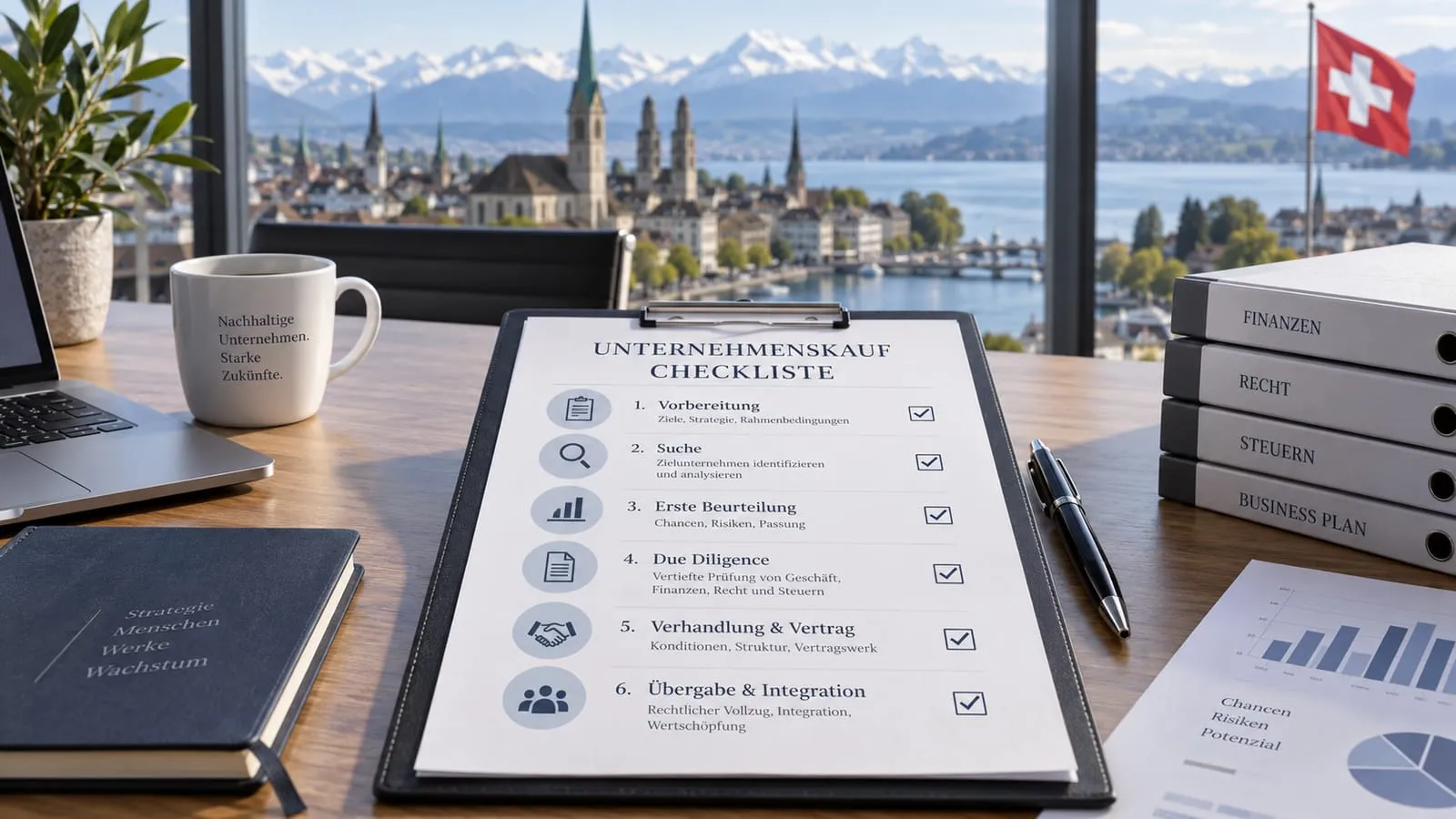
Checklist for a business acquisitionValuation and due diligence

Valuation and due diligence8 min read

Business acquisition checklist

A business acquisition consists of dozens of individual decisions spread over six to twelve months. Most of them are not complicated.

Wooden figures “External manager” and “Existing company” next to a search profile checklist and a financing overviewStrategy

Strategy12 min read

Management Buy-in in Switzerland: The Complete Guide for Buyers

Many experienced executives face one question in the course of their career: should I keep working for others or run a company of my own? The classic career path often leads to ever more senior salaried roles.

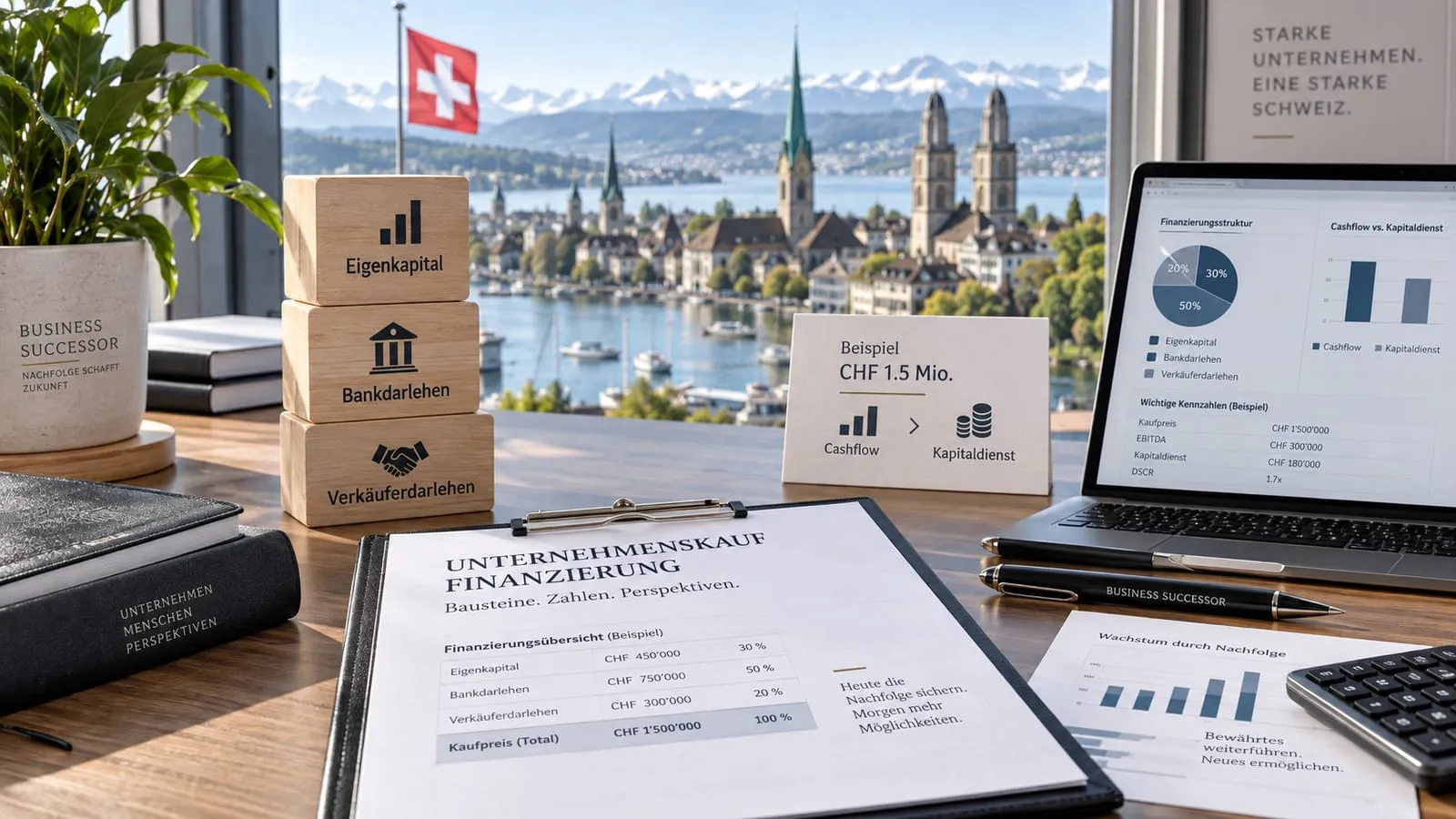
Wooden blocks “Previous shareholders” and “New shareholders” next to a checklist for buying a GmbH and key figures on a laptopStrategy

Strategy11 min read

Buying a GmbH in Switzerland

Buying a GmbH (limited liability company) is an attractive route into entrepreneurship for many buyers in Switzerland.

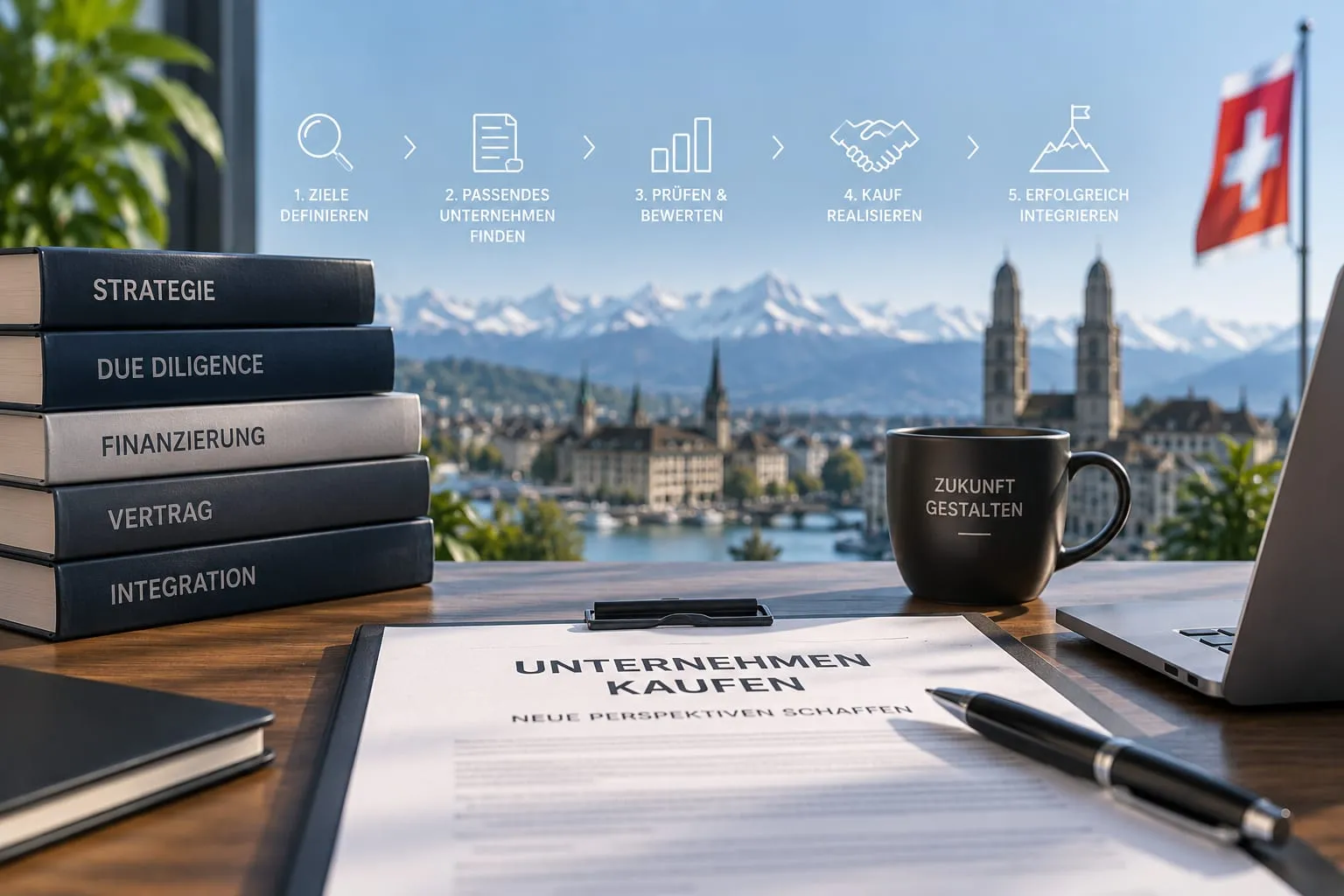
Process of a business acquisition in five steps, from defining goals to successful integrationValuation and due diligence

Valuation and due diligence7 min read

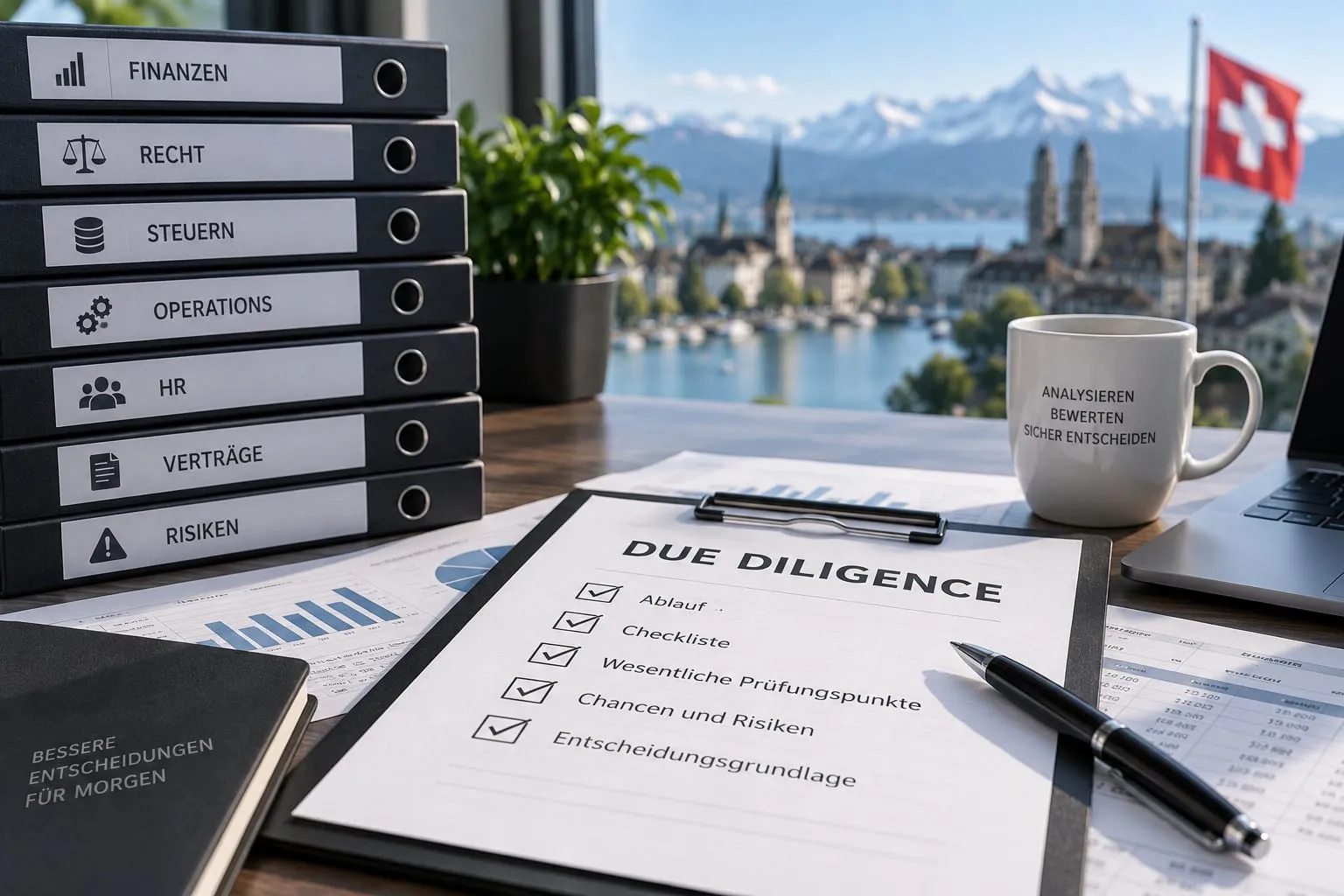
Due diligence in a business acquisition: the process in 7 steps

Due diligence is the moment when interest turns into a sound purchase decision. Before that, much sounds plausible: the company is established, the figures look good, the owner seems reputable.

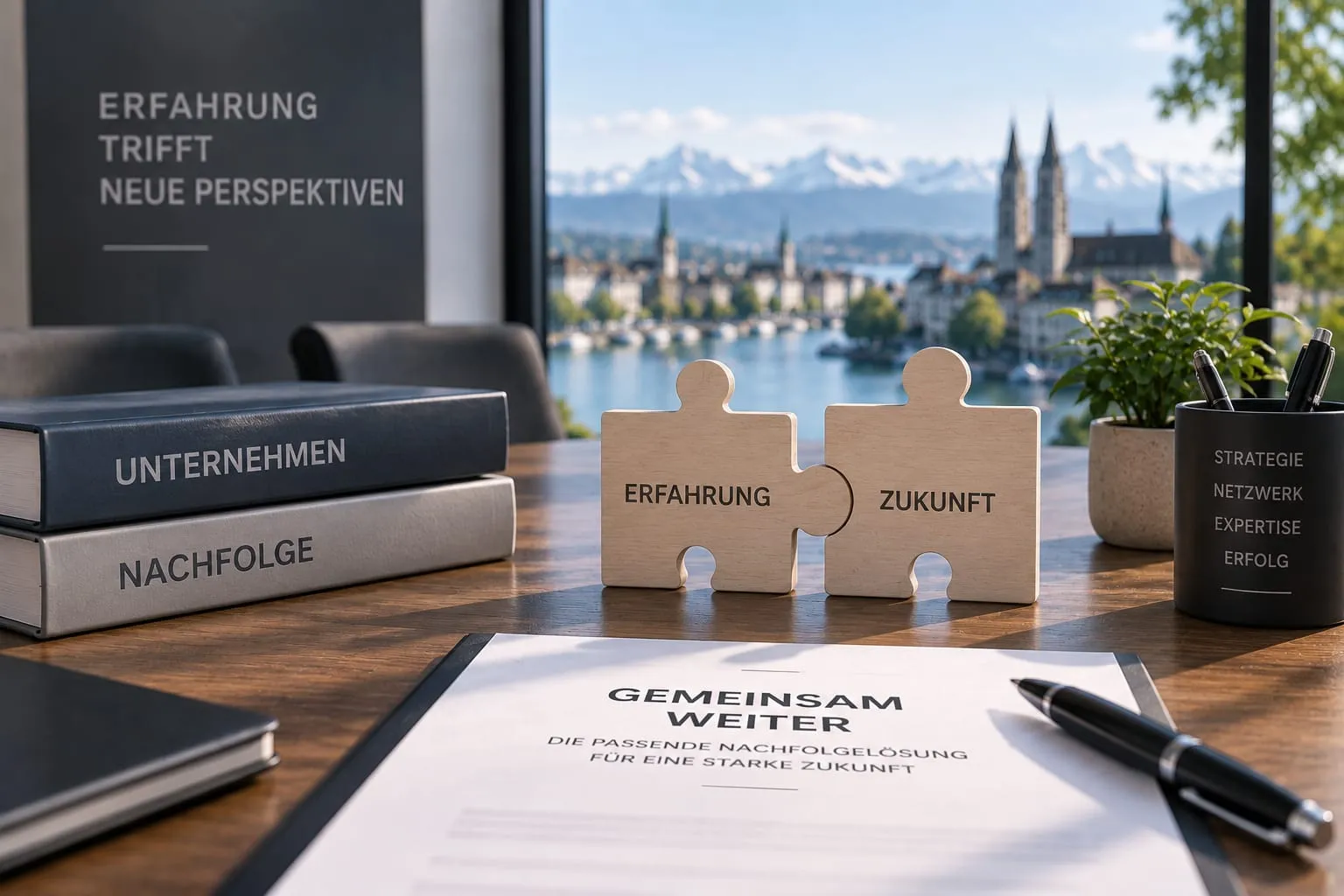
Two interlocking wooden puzzle pieces labelled experience and future on a meeting tableValuation and due diligence

Valuation and due diligence4 min read

Business succession advisory: how buyers find the right partner

Most guides to business succession are written from the seller’s point of view... Anyone who wants to buy a Swiss SME, by contrast, faces entirely different questions.

Cover image for the article “The 7 biggest mistakes when acquiring a business in Switzerland”Strategy

Strategy1 min read

The 7 biggest mistakes when acquiring a business in Switzerland

A business acquisition is not a typical investment. Mistakes in structure, valuation, or negotiation directly impact return and risk. Below are the most common - and most costly - mistakes seen in practice.

Conversations with experts

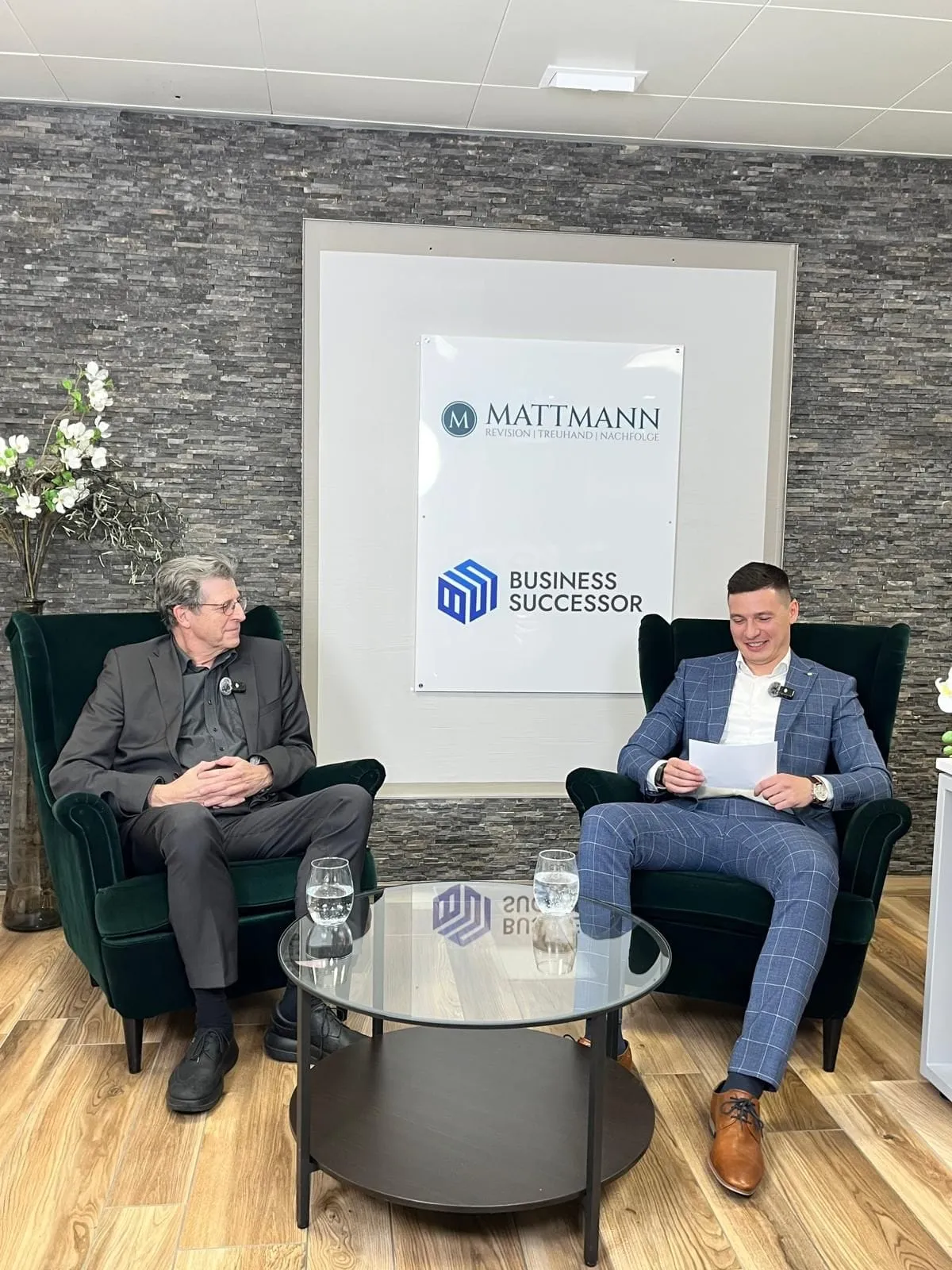
Heiko Mattmann talks with experts in law, valuation and tax about the questions that really matter in a succession. The episodes are on YouTube and Spotify (in German).

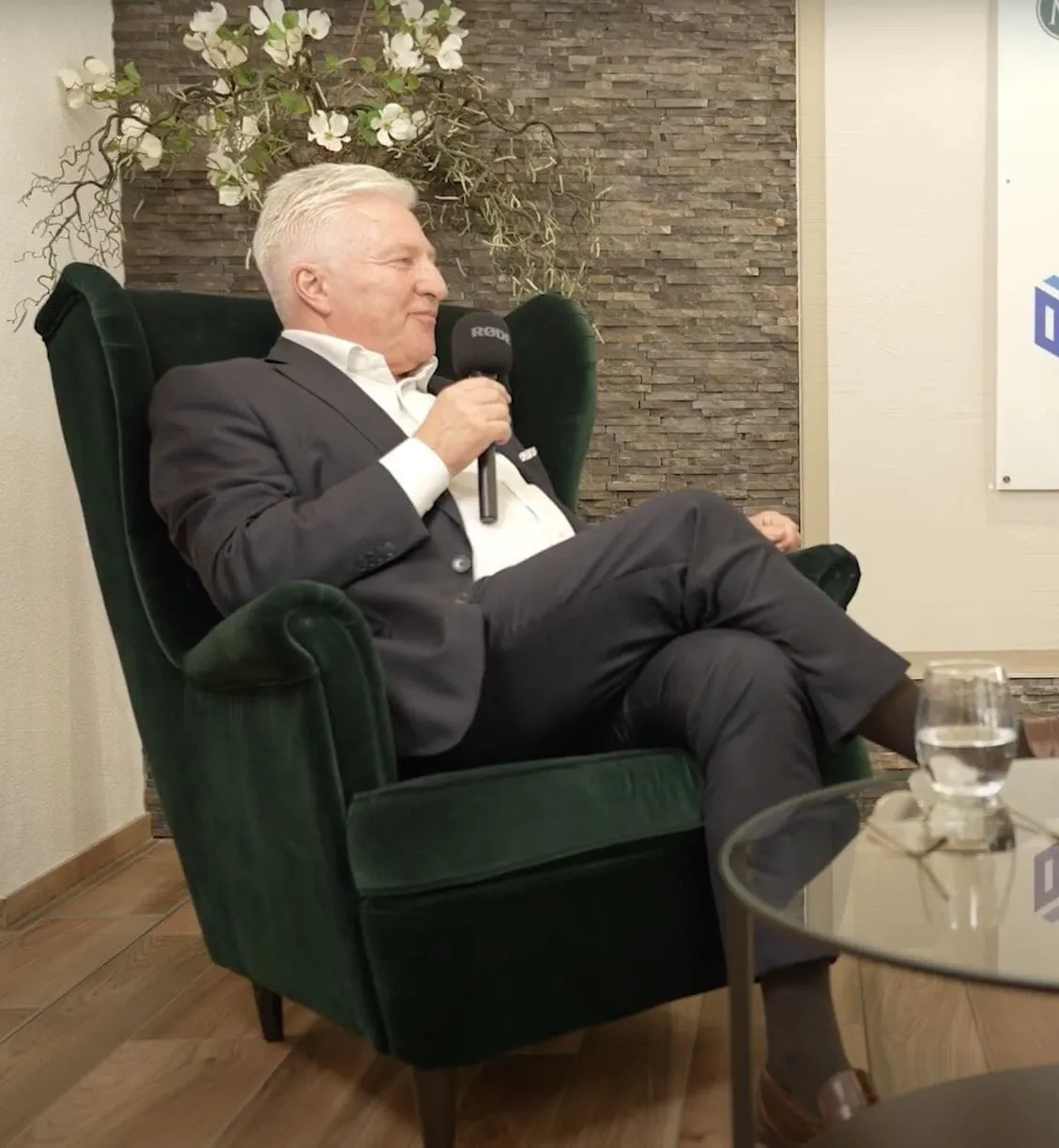
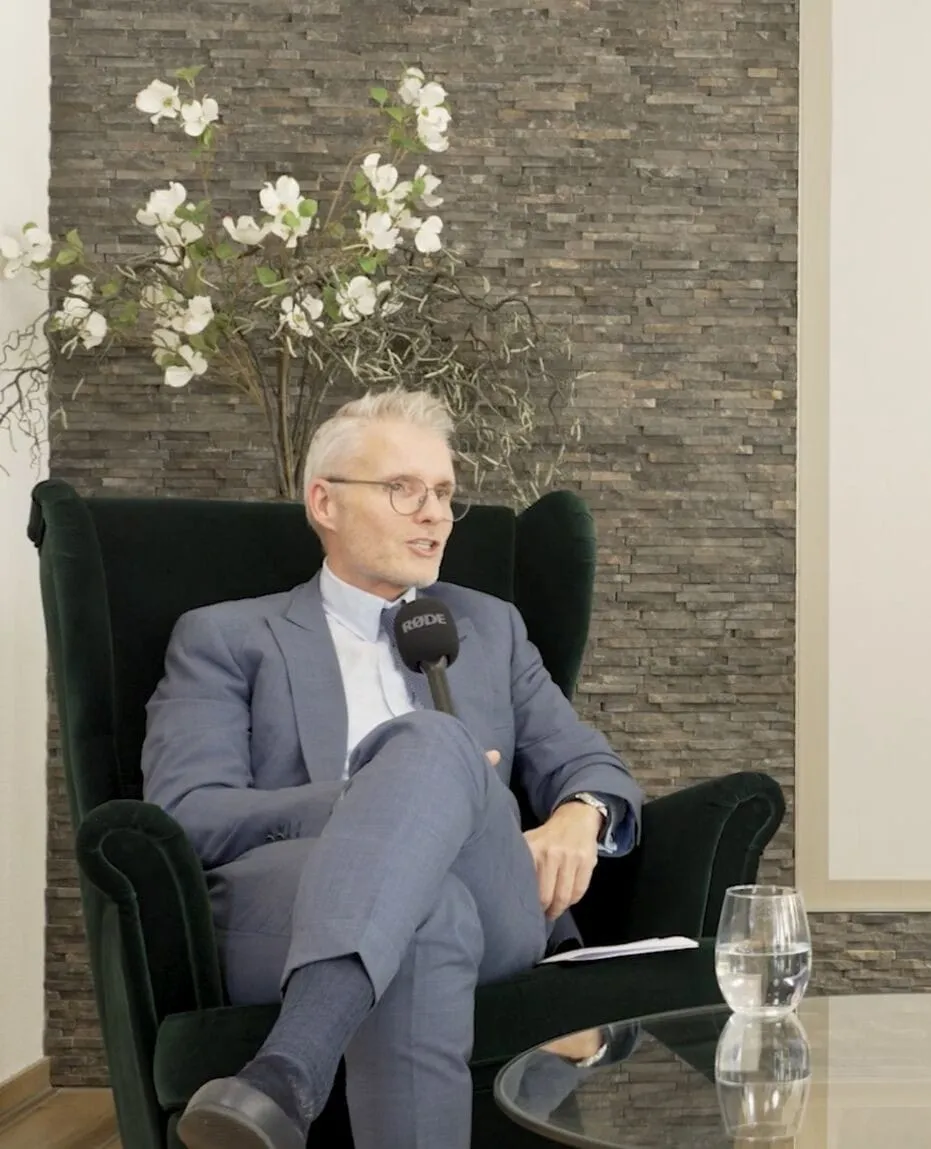
Heiko Mattmann in conversation with Matthias Vock

With Matthias Vock1:05:20

The tax trap in selling a company: avoiding costly mistakes

Watch on YouTube

Clear answers to the key questions

The most important questions about buying a business, answered briefly.

Is buying a business better than starting one?

In most cases, yes. You take over existing customers, cash flow, employees and market position. That significantly reduces entrepreneurial risk. What matters is that price, quality of earnings and your operational competence fit together.

How do I know whether a purchase price is fair?

The multiple is not decisive; the sustainability of EBITDA is. A low price with unstable earnings is more expensive than a higher price with predictable cash flow. We analyse quality of earnings, working capital and investment needs before we recommend a price.

How much equity do I really need?

Typically 20 to 40 percent of the purchase price. With clean structuring, bank financing and a vendor loan, the equity requirement can be optimised. What matters is a sustainable debt service coverage after the takeover.

How long does a structured acquisition process take?

Realistically 4 to 12 months. Buying faster means overlooking risks; hesitating too long means losing momentum. A clearly managed process reduces friction and increases the likelihood of closing.

What are the biggest risks in buying a business?

Dependence on key people, unsustainable profits, hidden liabilities, the wrong financing or emotional pricing decisions. Due diligence is there to make exactly these risks transparent.

Should I only look at publicly listed companies?

No. Many attractive succession solutions arise outside public platforms. Active, targeted outreach improves the quality of opportunities and reduces competition.

When should I bring in professional support?

At the latest when a specific target company is on the table. Valuation, negotiation strategy, letter of intent and contract structure determine return and risk. Mistakes in this phase are expensive and hard to correct.